


Whisky Investment Podcast S3 E7 – Industry Insights: The Art of Selling Scotland with Vikki Bruce
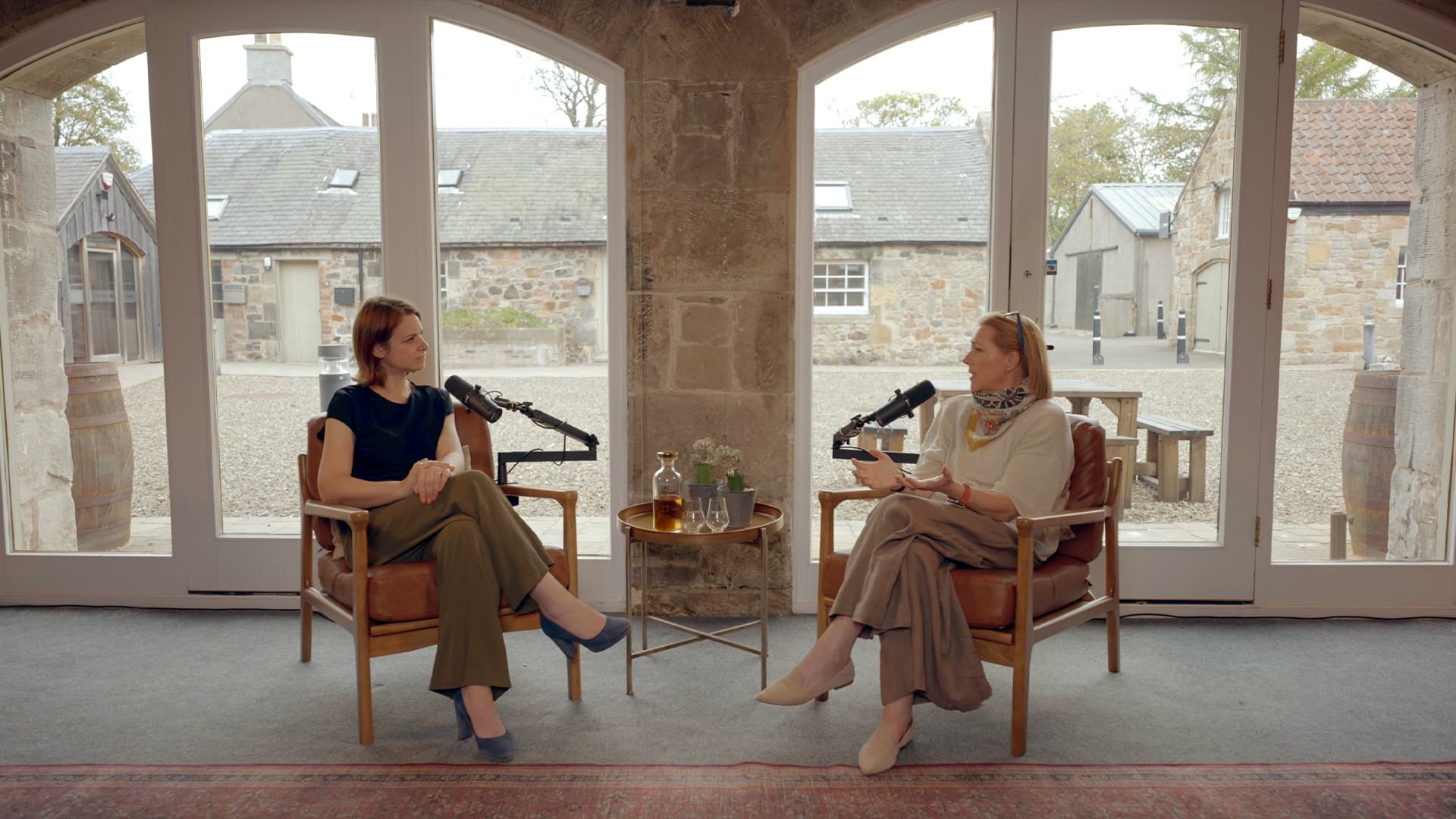
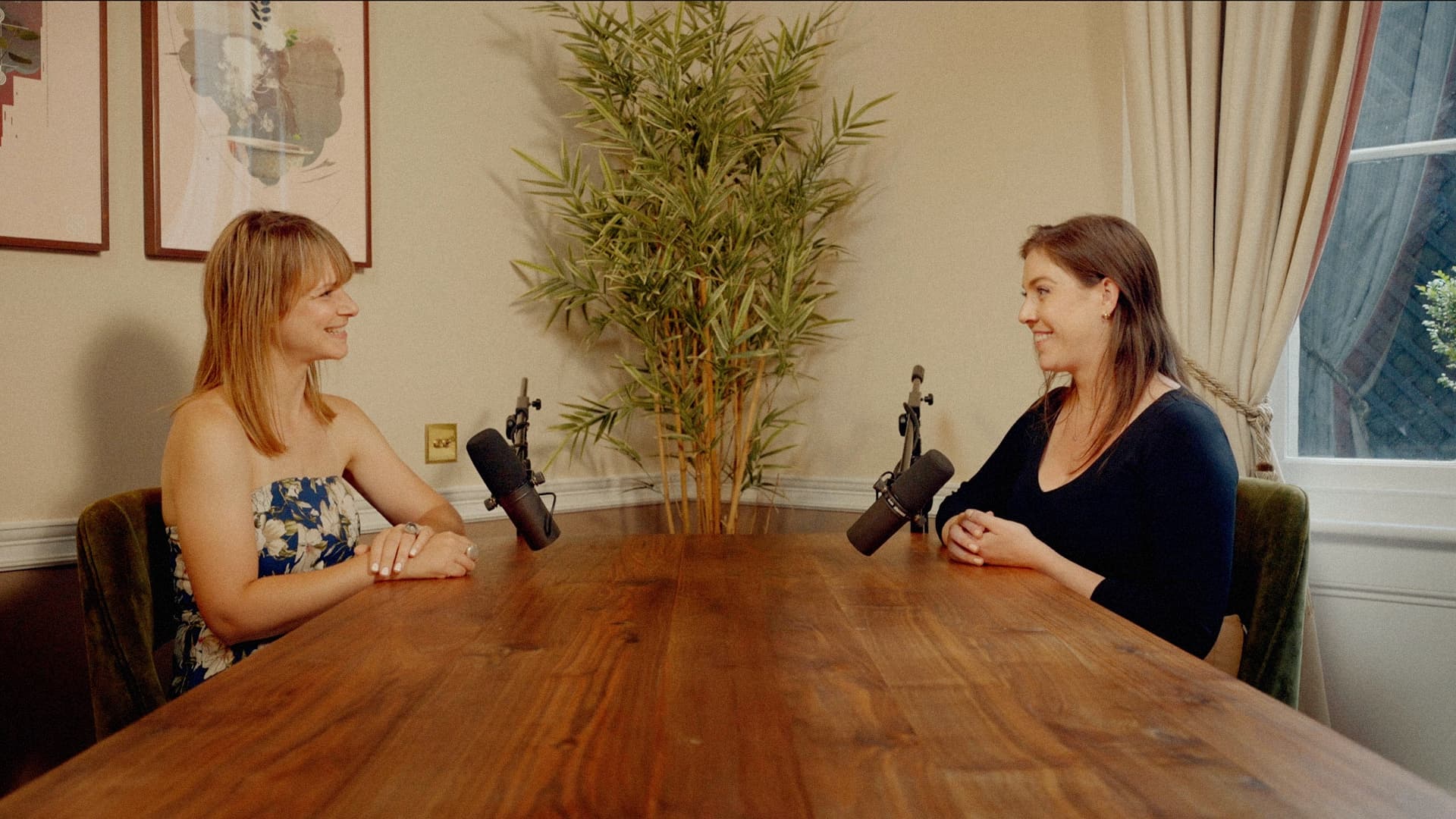
In this episode of The Whisky Investment Podcast by VCL Vintners, host and whisky journalist Alwynne Gwilt is joined by Vikki Bruce, founding director of MacLean & Bruce, for a wide-ranging conversation about luxury whisky tourism, the evolving cask market and the importance of doing your homework before parting with your money. From hosting Prince Albert of Monaco to sourcing high-value casks for collectors across Asia, Bruce offers a candid look at how one business has adapted, survived and thrived across 14 years of seismic change in the Scotch whisky industry.
A Royal Starting Point
MacLean & Bruce began, as many of the best businesses do, with an unexpected opportunity. Bruce was working alongside her husband in the whisky industry when a request came through from an importer in Monaco: could she organise a whisky experience in Scotland for a high-net-worth client? The client turned out to be Prince Albert of Monaco, accompanied by his wife and a full security entourage.
Bruce threw herself into the itinerary, arranging everything from distillery visits to a tree-planting ceremony at Ardnamurchan, which was still a construction site at the time. The experience was a success, and it was Charlie MacLean, the renowned whisky writer and one of MacLean & Bruce’s directors, who suggested they turn the model into a business. MacLean, who at the time was taking well over 200 flights a year, saw the logic in bringing international clients to Scotland rather than constantly travelling to them.
That was 14 years ago. Since then, MacLean & Bruce has hosted royals, celebrities, ultra-high-net-worth individuals and family groups from around the world, all on a word-of-mouth basis. The common thread, Bruce says, is authenticity. “The people that we’re dealing with at the high end, they can go anywhere and buy anything and do anything. So how do we use Scotland to its best advantage?”
Beyond the £7 Tour
What sets MacLean & Bruce apart is the depth and intimacy of the experiences they create. Arriving at Islay distilleries by RIB with a piper. Private use of stately homes run like hotels but tailored to every detail. Mini Land Rover tracks for children, gun dogs, falconry, magicians and storytellers. One recent Easter booking for a large family group at a private property ran for nine days, with every element curated by the team.
Bruce is clear that it is the human connections that leave the deepest impression. “They’re not going from attraction to attraction and ticking boxes. They’re having a much more intimate experience,” she says. “We weren’t his travel agents. We were his hosts.”
Scotland’s distilleries have evolved to meet this demand. Where once a £7 standard tour was the only option, many now offer exclusive behind-the-scenes experiences, distillery-exclusive bottlings and private tastings designed for high-spending visitors. Macallan, Bruce notes, no longer offers a basic tour at all. Brora operates largely by invitation only. For MacLean & Bruce, this shift has only strengthened the proposition.
One anecdote captures the opportunity neatly. A group of guests with a superyacht moored outside Oban called to say the £7 tours at a west coast distillery were fully booked and asked for help getting in. Bruce made a phone call. They spent £170,000.
Surviving COVID and Finding New Revenue
When COVID hit, MacLean & Bruce was seven years old and hitting its stride. The majority of its clients at the time came from China, connected through a third director who had spent years working for Diageo in the region. International travel shutting down was, as Bruce puts it, quite hard.
An optimist by nature, Bruce kept paying the company’s outgoings in the belief that the end was always just around the corner. In hindsight, she admits, mothballing might have been the wiser course. Instead, the team pivoted. Their first independent bottling, a tripartite arrangement with Ardnamurchan through Adelphi, kept the lights on for a few more months.
Then came enquiries for casks. Not for investment, but for independent bottlings: a club in Hong Kong wanting its own label, a collector wanting a bespoke release. Bruce and her team would source the cask, manage the end-to-end bottling process, commission labels, ensure compliance and ship the finished product anywhere in the world. That activity led to the founding of Old Bond Bottlers, a bottling hall in Perth geared towards the white-glove service MacLean & Bruce’s clients expected.
From there, the business evolved naturally into cask trading and brokering, primarily on a B2B basis. What began as a survival mechanism became a core part of the operation.
An Attractive Asset, but Do Your Homework
Bruce is thoughtful and measured when discussing cask investment. The fundamentals are sound, she says. As casks age, they increase in value. That much is simply a fact. But she is equally direct about the risks, and it is clearly a subject she cares deeply about.
Her mother’s advice underpins her philosophy: if you are going to invest in anything, be prepared to lose it. Only put in what you can afford to lose. She encourages buyers to approach cask ownership out of a genuine passion for whisky, for Scotland, for the heritage and the process, rather than treating it purely as a vehicle for returns.
For those who are investing to make money, Bruce is blunt about what that requires. You need to understand which distilleries are releasing how much product into the market. You need to know what brands are doing, whether a distillery is for sale or planning a rebrand, and what its products are doing on the shelf. “You can’t just take the advice of somebody that you don’t know,” she says.
Ghost Casks, Rogue Brokers and the Importance of Ownership
The conversation takes a serious turn when Bruce addresses the darker side of the cask market. She is passionate about due diligence and makes no apologies for it.
“Do your due diligence on MacLean & Bruce,” she tells prospective clients. “Do your due diligence on me. Don’t believe a word I say. Go out and check for yourself.” She points people first to Companies House and Google, then to the Scotch Whisky Association’s guide to private cask purchases, which she considers essential reading.
The lack of a public pricing index for casks remains a significant challenge. There is no transparent benchmark for what a cask should cost, which leaves room for bad actors. Bruce is currently helping a cask owner who was sold a cask worth around £6,000 for £35,000 by a well-known broker, with promises of at least 8 per cent annual returns.
The collapse of Cask 88 Braeburn and Whisky Cask Trade Merchants brought the risks into sharp focus. When those businesses went into liquidation, clients who held certificates rather than delivery orders found their casks absorbed into the company’s assets. Ghost casks were exposed: casks that had been sold but did not exist, or had been sold to multiple buyers, or were never the broker’s to sell.
Bruce’s message is unequivocal. Get a delivery order. Open an account at the warehouse where your cask is held. Pay the rent. If the warehouse will not open a private account, ask for the cask to be moved to one that will. Do not accept a certificate. Own your cask.
Distilleries Leaning on the Cask Market
One of the more revealing observations in the conversation concerns the relationship between distilleries and the cask trading market. Bruce notes that while some distilleries have historically been dismissive of the secondary cask market, many are now selling tanker after tanker of new-make spirit into it. In a period of softening sales and rising costs, that revenue stream has become a genuine lifeline.
It is a shift that would have been difficult to imagine a decade ago, when the cask market was largely the preserve of independent bottlers and a small number of collectors. Today, Bruce observes, it is an increasingly mainstream product, attracting buyers who may not have a deep connection to whisky but see the asset class as an attractive alternative investment.
The Scotch Whisky Sell
Gwilt closes the episode by asking Bruce what she would say to someone considering a visit to Scotland. Her answer is characteristically warm and practical. Americans, she notes, often have heritage ties to Scotland and arrive with an Outlander-shaped fantasy. MacLean & Bruce’s job is to listen to what each client wants and deliver it, whether that means a whisky-focused pilgrimage or something else entirely.
“People don’t come to Scotland to have a beach holiday,” she says. “They want the scenery, the food, the experiences, the adventure, the nature.” The challenge, and the opportunity, is in turning that into something that goes beyond ticking boxes. Scotland, she says, sells itself. The team’s job is to bring it to life.
Asked for her desert island dram, Bruce initially sidesteps, citing a forthcoming series of articles by Charlie MacLean exploring how environment and context shape the way a whisky tastes. Pressed, she settles on Glen Garioch, a distillery she has a genuine soft spot for. But the real answer, she says, is that it depends entirely on where you are, who you are with, and what the weather is doing. She recalls a family camping trip on the west coast, horizontal sleet, a smoky fire and a bottle of Caol Ila produced by her husband at exactly the right moment. She is not a peated whisky person, she says. But that night, it was perfect.
Let's talk whisky and spirits.
Connect with our team to explore investment opportunities.
Journal Highlights


Newsletter
Stay ahead of the market. Get access to exclusive offers, events, insights, and news straight to your inbox.