


Whisky Investment Podcast S3 E4 – Industry Insights: How To Taste? With Mandy Naglich
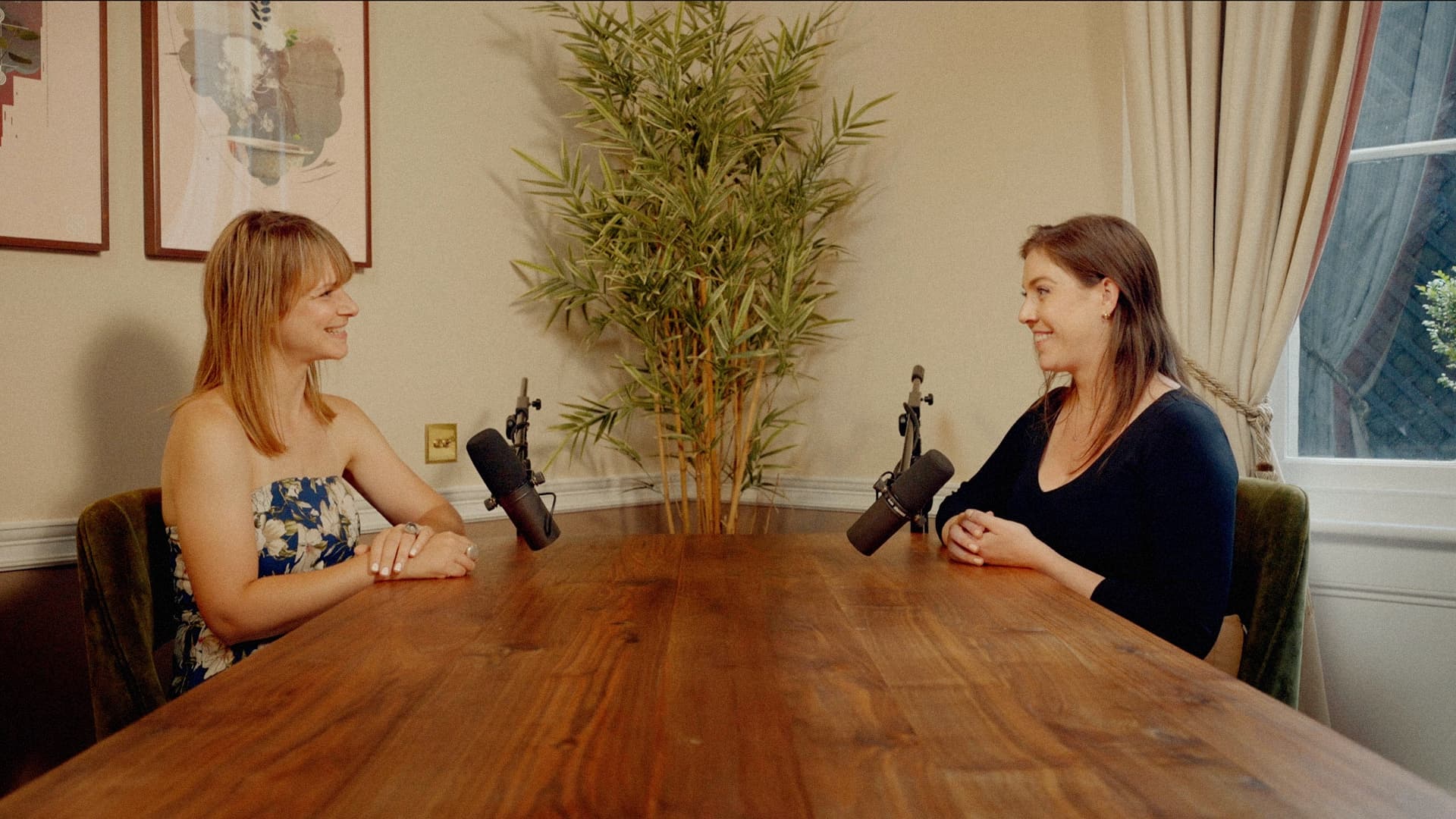
In this edition of The Whisky Investment Podcast by VCL Vintners, whisky journalist Alwynne Gwilt sits down with New York based author and drinks journalist Mandy Naglich to explore a subject that sits behind every dram we enjoy but rarely gets properly examined: how we taste, and what flavour really is.
Mandy, known online as @drinkswithmandy, has built a following by turning sensory science into practical tools that anyone can use, whether they are nosing a rare single cask or sipping a morning coffee. Her book How to Taste is part science, part self development guide, and makes the case that paying attention to what we smell and taste can make everyday life richer and more memorable.
Across the episode, she and Alwynne unpack why vanilla feels comforting, why your brain is still the best analyser in the room, and how investors and enthusiasts can genuinely train their palates rather than treating “good taste” as something you are simply born with.
About our guest
Mandy Naglich is an author, drinks journalist and educator whose route into flavour began not in whisky, but in beer. She worked through the rigorous Cicerone certification programme, the beer world’s equivalent of a sommelier track, and became one of the first 100 Advanced Cicerones in the world. The exam required her to blind taste and correctly identify around 160 different beer styles, including ABV and style, from unmarked cups.
Training for that exam shifted her focus. She realised she was no longer only fascinated by beer, but by the process of becoming a better taster: how to sharpen perception, how to decode what is in the glass, and how flavour chemistry underpins all of it. That curiosity led her into sensory science, then into other categories such as wine, whisky, coffee, cheese and olive oil, and eventually into writing How to Taste.
Today, through her book, workshops and social channels, Mandy helps people understand that tasting is a learnable skill, not a mysterious talent reserved for critics and blenders.
One method for tasting almost anything
A key insight from Mandy’s research is that you do not need a different ritual for every category. The same fundamental approach works across coffee, cheese, wine, whisky and more.
Time spent in places such as the Tillamook cheese research labs showed her that professional tasters in very different fields work in remarkably similar ways. Whether they are assessing cheese, coffee or whisky, they rely on structure, repetition and careful use of all the senses.
From that, Mandy built a single tasting framework designed to:
Give people a repeatable way to approach anything they eat or drink
Help them build a personal flavour library, those mental reference points you draw on when you say “this reminds me of…”
For whisky lovers, this means that the same method you use to taste a single malt can help you understand a cup of coffee or a piece of chocolate. Practise on the everyday, and the special bottles start to open up in new ways.
Memory, comfort and why we love vanilla
The conversation quickly moves into one of the most human parts of tasting: the link between flavour, memory and emotion.
Mandy references a German study where researchers added vanillin, the main aroma compound in vanilla, to ketchup. Some people loved it, others did not notice anything special. Only when the data were analysed did a pattern emerge. The people who loved it had largely been formula fed as babies, and that same compound had been used to flavour their infant formula.
It illustrates a wider point. Vanilla is globally popular not only because it is pleasant, but because its aroma is close to the smell of breast milk. For many people it quietly signals safety and care, even if that association is never conscious.
Mandy also notes that roughly 20% of our genes are involved in decoding smell, which shows how fundamental scent is to being human. Each of us lives in a slightly different “scent world”, shaped by genetics, early experiences and culture.
Your nose does most of the work
A recurring theme of the episode is that flavour is largely smell. Professionals know this, but many drinkers still focus far more on the sip than on the aroma.
Mandy points out that:
Put a lid on a carefully brewed takeaway coffee and you may lose most of what you perceive as flavour
A classic champagne flute looks elegant but is poor for aroma, as the narrow opening gives your nose very little to work with
Her simplest advice is deliberately modest:
Slow down
Smell first, then sip
Building a small ritual, even if it is just one calm breath over the glass before you drink, not only improves enjoyment but tells your brain that this moment is worth paying attention to.
For people who fear “getting tasting notes wrong”, Mandy suggests using broad questions:
Is this more woody or more floral?
Is it more fruity or more spicy?
Even that first simple choice starts to map the liquid. From there, you can home in on more specific notes.
The power of suggestion and why words matter
Anyone who has read a back label knows how suggestible we are. Mandy and Alwynne discuss just how much context and wording can bend flavour.
Examples include:
Colour cues: Place a red coaster under a drink and people often describe it as sweeter. Dye natural yoghurt pink and many tasters insist it is strawberry flavoured, even without added flavour.
Tasting note prompts: Tell a room that a whisky smells of raisins and almost everyone will eventually find raisins, even if they might have originally said apricot or baked apple.
That is why Alwynne avoids handing out formal tasting notes too early in her events. Once a suggestion is planted, it is hard to unhear it, and people lose the chance to discover their own associations.
Tasting as an everyday habit
Mandy is keen to move tasting away from the idea of an elite performance reserved for rare bottles and special occasions.
In her view, the same care whisky lovers show a special release could be applied to simple daily pleasures:
The first coffee of the day
An ice cream on a hot afternoon
A basic glass of table wine with dinner
These moments are easy, low pressure opportunities to practise paying attention. In her workshops she often uses a flavour wheel, not as a checklist to match perfectly, but as a menu of possibilities. A guest who does not want to shout out notes can quietly scan the wheel and see whether “butterscotch”, “hay” or “grapefruit” feels closest to what they are smelling.
Culture adds an extra layer. A single aroma such as cinnamon can feel like dessert to someone raised on apple pie in the United States, and like savoury spice or tea to someone from South America or India. Neither reading is wrong. They simply draw on different flavour libraries.
Super tasters, non tasters and who creates great drinks
The episode also touches on the idea of the super taster. Rather than a magical badge of quality, Mandy explains that it usually means you experience bitterness extremely intensely, thanks to genetic variants and a higher density of taste buds. For a child with those genes, a Brussels sprout can genuinely feel close to physical pain.
Interestingly, many people who thrive as chefs, bartenders or product developers sit closer to the non taster end of the spectrum for some compounds:
They are not overwhelmed by certain bitter, sour or sulphury notes, so they explore more
They often build interest through texture, colour and contrast, which can lead to especially creative food and drink
Rather than chasing the label super taster, Mandy encourages people to understand their own sensitivities and work with them.
Training your senses and your brain
One of the most striking points from Mandy’s research is that tasting practice changes the brain.
Studies show that just two weeks of deliberate smelling and tasting can cause measurable growth in the olfactory bulb, the region that processes smell. People with larger, healthier olfactory bulbs have been found in some research to be:
Less likely to lose their sense of smell to viruses such as COVID
Less likely to show certain markers associated with conditions such as dementia
The science is still developing, but it suggests that regularly engaging your nose is not only pleasurable, it is good for long term cognitive health. Practising how to taste appears to have no downside.
Let's talk whisky and spirits.
Connect with our team to explore investment opportunities.
Journal Highlights




Newsletter
Stay ahead of the market. Get access to exclusive offers, events, insights, and news straight to your inbox.