


Less Spirit, Smarter Money: Why Investment Is Rising as Scotch Production Slows
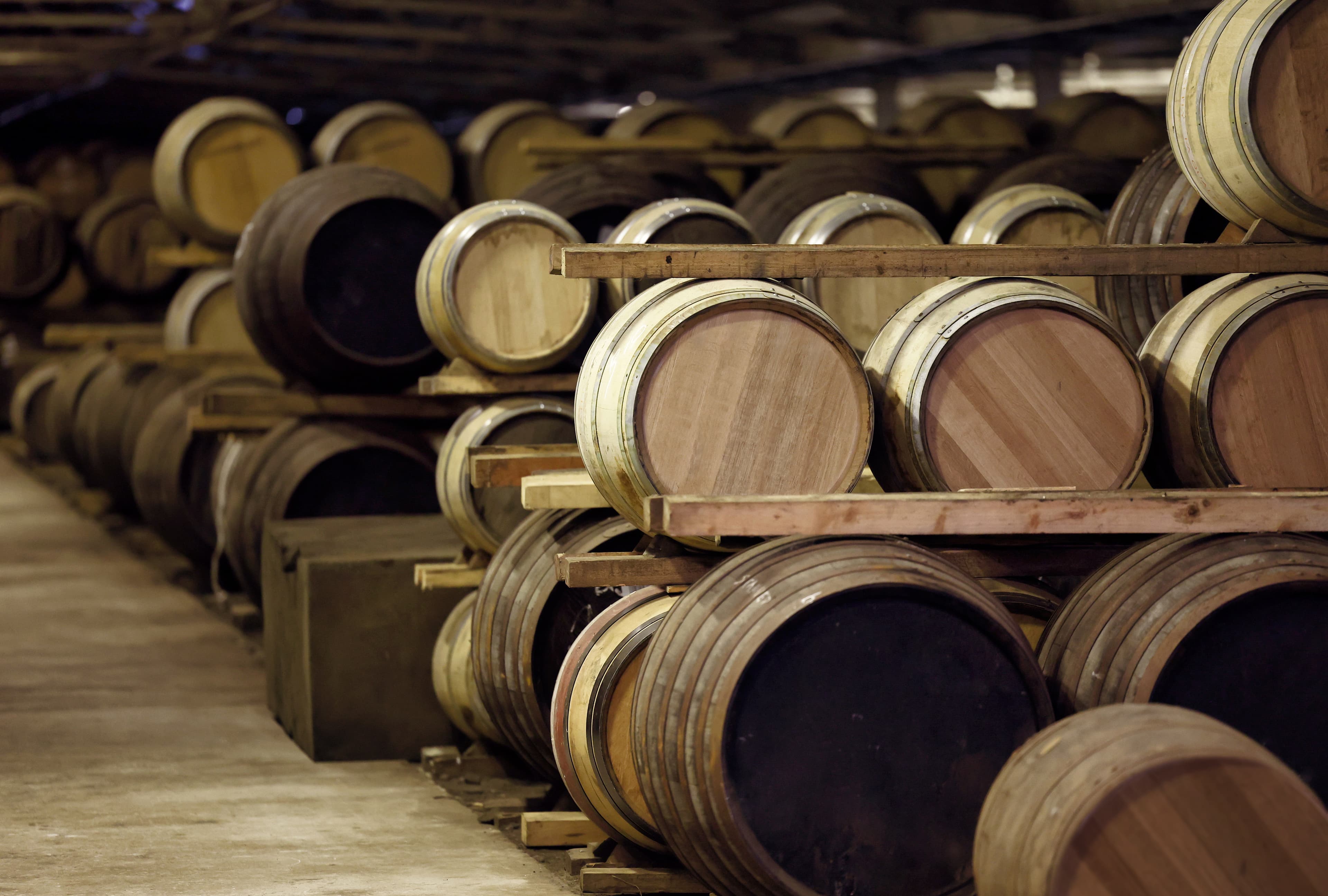
At first glance, Scotch whisky is sending contradictory signals. Major producers have reduced output, paused production or revised expansion plans in response to softer post-pandemic demand. Diageo for example paused distillation at Teaninich in the second half of last year and reportedly reduced activity elsewhere as it sought to balance supply with weaker demand. Yet producers and specialist investors continue to commit capital, particularly to warehousing, efficiency, premium brands and established stocks.
The contradiction disappears once we distinguish between the volume of whisky being produced and the quality of the assets investors want to own. Smart money is not abandoning Scotch. It is becoming more selective.
A slowdown, not a collapse
Scotch whisky exports were worth £5.3 billion in 2025, with the equivalent of 1.34 billion 70cl bottles shipped overseas. Export volumes fell by 4.3%, while export value declined by 1.8%. Scotch still accounted for 72% of Scottish food-and-drink exports and was shipped to more than 160 markets worldwide. [Source: Scotch Whisky Association]
Strong post-pandemic demand encouraged producers to raise output. Demand subsequently softened as inflation, higher interest rates, tariffs and pressure on disposable incomes affected important markets. Producers responded by moderating production and controlling inventories.
But distilling less whisky today does not diminish the value of mature stock already resting in Scotland’s warehouses and may strengthen its long-term position. Unlike most consumer goods, Scotch cannot be manufactured quickly when demand recovers. A 12-year-old whisky released in 2038 must be distilled in 2026. If less spirit is laid down during today’s slowdown, less of that vintage will be available at maturity.
Why capital is still backing Scotch
Investors are not merely buying exposure to current bottle sales. They are backing an industry with characteristics that are difficult to reproduce. Scotch benefits from legally protected provenance, centuries of expertise, restricted production geography and global distribution networks built over generations. A competitor can construct a distillery elsewhere, but it cannot produce Scotch outside Scotland or recreate the heritage of its most established names.
There is also a distinction between investing in productive capacity and using that capacity to its maximum. A distillery may invest in energy efficiency, warehousing, tourism, premium brands or improved facilities while running its stills for fewer weeks. Long-term investment does not require producing every possible litre during a temporary downturn. This suggests confidence in the industry’s destination, even as producers exercise caution over the speed of the journey.
Scarcity is created years in advance
Whisky’s maturation cycle gives the production slowdown particular significance. Producers can initially draw on existing inventories. The consequences become more visible when today’s reduced vintages approach popular bottling ages. If demand has recovered by then, distillers cannot replace the missing mature stock. More new spirit can be produced, but time cannot be accelerated.
This does not mean every cask from a lower-production year will automatically become valuable. Scarcity alone is insufficient. Distillery reputation, spirit quality, cask type, age, alcohol strength, condition and the availability of a credible exit route remain fundamental. Nevertheless, constrained production can amplify the value of the right stock. A scarce cask from a little-known distillery may remain difficult to sell. One from a name sought by bottlers, collectors and international buyers occupies a different position.
This is why established distilleries such as Macallan, Springbank, Bunnahabhain and GlenAllachie remain closely watched. Their production scales and market dynamics differ, but each has a recognisable identity and established following.
The investment case is not simply that they make good whisky. Their names can help create demand at resale or bottling.
A more discerning market
Periods of rapid growth tend to lift a broad range of assets. More challenging conditions separate those supported by genuine demand from those sustained by optimism.
That process is now occurring in whisky. Buyers are scrutinising provenance, documentation, storage arrangements, cask quality and realistic resale prospects. They are less willing to assume every cask will appreciate simply because it contains Scotch.
For high net worth investors, this more discriminating environment may present opportunities. Greater selectivity can direct capital towards stronger assets while exposing speculative stock whose pricing was never adequately supported. A suitable cask from a globally recognised distillery, held under secure ownership with verifiable provenance and an attractive maturation profile, is more likely to appeal to bottlers, trade buyers, collectors and other private investors. That does not guarantee liquidity or appreciation. Cask whisky remains a specialist, long-term asset whose value can fall as well as rise. But recognisable provenance can widen the range of potential exit routes.
What this means for cask investors
The production slowdown strengthens the case for selective rather than indiscriminate buying.
Investors should examine:
The distillery’s international recognition and underlying demand
The cask’s age, type, filling strength and current alcohol level
Whether the price already assumes substantial future growth
The security and documentation of legal ownership
Storage, insurance, transfer and bottling costs
The availability of credible resale routes
The intended holding period and optimal maturation window
The strongest assets sit at the intersection of quality, provenance, scarcity and price.
Selectivity is the new confidence
Slower production should not be mistaken for shrinking long-term confidence. The industry is adjusting supply after an exceptional period while continuing to invest in the brands, facilities and inventory expected to support its future. The next phase will not reward every distillery or parcel of stock equally. That is precisely why established names and well-selected mature casks could become more important.
Smart money is still backing Scotch. It is now simply asking harder questions about what it owns.
Let's talk whisky and spirits.
Connect with our team to explore investment opportunities.
Journal Highlights



Newsletter
Stay ahead of the market. Get access to exclusive offers, events, insights, and news straight to your inbox.