Glen Elgin Distillery

Distillery key information
| Location | Speyside, Scotland, UK |
|---|---|
| Established | 1898 |
| Owner | Diageo |
| Number of Stills | 3 wash, 3 spirit |
| Visitor Centre | No |
| Status | Active |
| Website | N/A |

About Glen Elgin Distillery
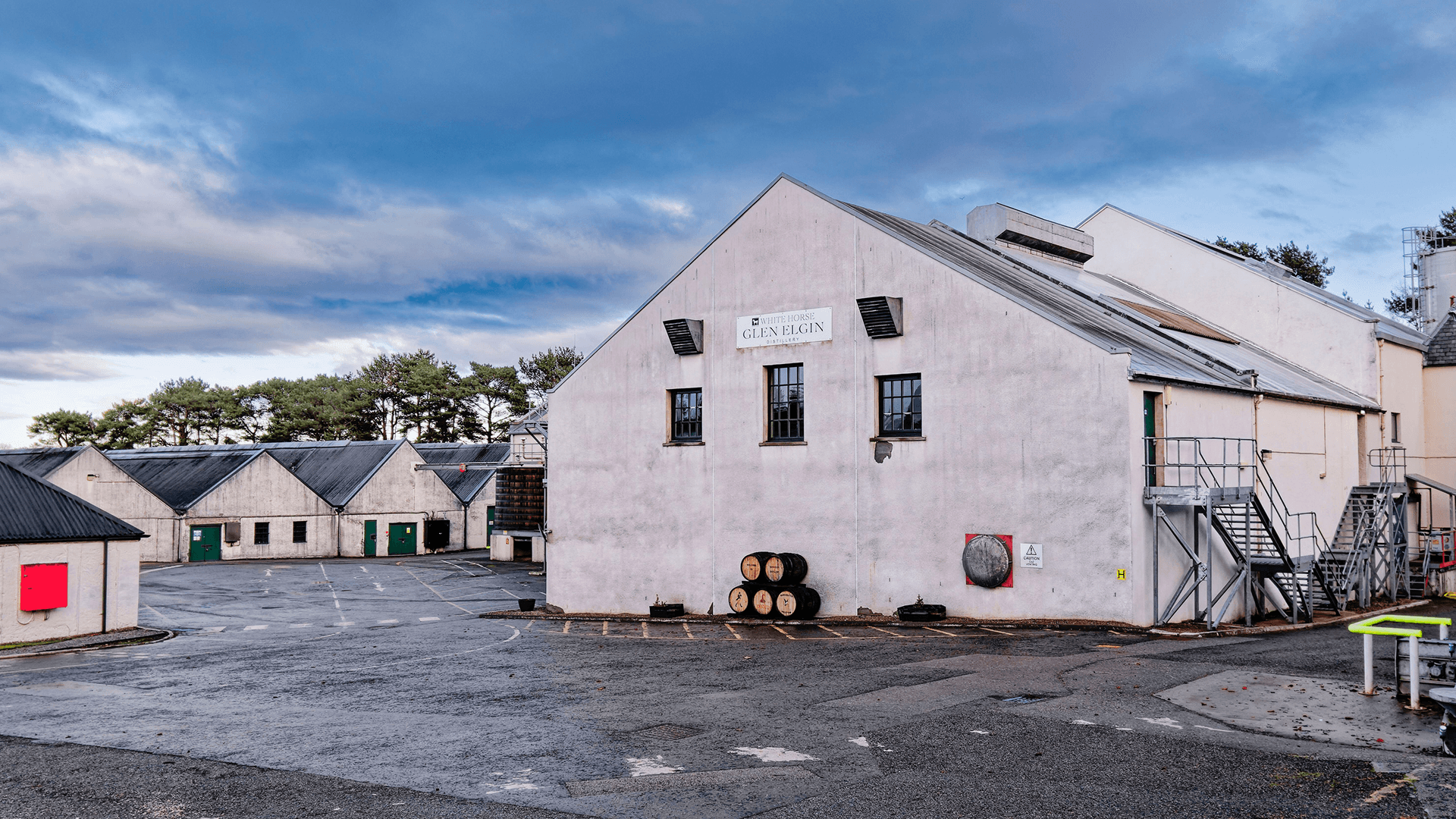
Glen Elgin whisky originates from a Speyside distillery established in 1898 by William Simpson, a former manager at Glenfarclas and James Carle, a banker. Located near Elgin in Morayshire, Scotland, it was the last major distillery built before the Pattison Crisis of 1900, which led to its closure just five months after production began in May 1900. The site was sold in 1906 to JJ Blanche & Co, a Glasgow wine and spirit merchant, reviving operations. In 1936, it was acquired by Scottish Malt Distillers (SMD), a subsidiary of the Distillers Company Limited (DCL) and integrated into blends like White Horse.
The distillery expanded in 1964, adding four stills and was modernised in the 1990s while retaining traditional features, before it became part of Diageo in 1997.
Production follows traditional Speyside methods, yielding a light, fruity spirit. Malted barley is mashed, then fermented for 80-120 hours in nine wooden washbacks using cream yeast.
Brand reputation and market presence
Glen Elgin enjoys a solid reputation among whisky enthusiasts for its elegant, balanced single malts, though it primarily serves as a blending component. The 12-year-old expression, part of Diageo’s Flora & Fauna series since 2001, is praised for its honeyed sweetness, green apple, pear and subtle spice, scoring highly in reviews.
Market presence is strong through blends like White Horse, which sells over 12 million bottles annually in key markets including Japan, Brazil, Africa and the US.
Investment potential
Glen Elgin offers attractive potential in the growing whisky investment space, particularly through casks and rare bottles. As a Diageo-owned distillery, Glen Elgin provides lower risk than startups, with potential for bottling or resale.
The distillery offers compelling opportunities in the whisky investment market, particularly through casks and rare bottles. Historical data from VCL indicates Glen Elgin casks delivered an average annualised return of 9.49% for clients selling between 2020 and 2025, driven by Speyside’s strong demand from blenders and collectors. As a Diageo-owned distillery, Glen Elgin carries lower risk than newer distilleries, with stable production and global brand backing enhancing its appeal for bottling or resale. Rare bottles, especially limited releases, attract premiumisation-driven demand in markets like Asia and the Americas.
Financial performance
As part of Diageo, Glen Elgin’s financials are embedded in the conglomerate’s Scotch whisky segment. For fiscal 2025 (ended 30 June), Diageo reported organic net sales growth of 1.7% to $20.245 billion, despite a challenging environment with fourth-quarter declines.
The Scotch category contributed positively, with volume at 230.1m equivalent units, although specific Glen Elgin figures are not isolated. Its output primarily bolsters blends including White Horse, which benefits from Diageo’s diversified portfolio.
Investment summary
Glen Elgin whisky represents a stable, undervalued entry in the premium Scotch sector, blending heritage with growth potential. Its Speyside elegance, backed by Diageo’s resources, positions it well amid annual projected industry expansion of 7.2% over the next four years [source: Technavio. Global Scotch Whisky Market 2025-2029 estimates the market will grow by USD 12.4 billion during this period, driven by rising global demand, premiumisation trends, and expansion in key regions like Asia and the Americas].
The distillery’s resilient history reflects its enduring value. Investors can target casks for long-term 8-12% returns, leveraging VCL’s proven 9.49% annualised performance from 2020-2025, or rare bottles for quicker gains driven by collector demand. Despite Diageo’s 2025 profit dips from macroeconomic headwinds, net sales growth and robust cash flow signal resilience, with the Scotch segment’s positive contributions highlighting underlying strength. As with any whisky investment, risks like storage costs, market volatility and tariffs exist, but diversification through funds and Glen Elgin’s low-risk profile mitigate them.
As whisky tourism booms in Speyside and global appreciation for sustainable spirits rises, Glen Elgin emerges as a prudent choice for diversified portfolios in alternative assets, offering both tangible heritage and verifiable returns in a maturing market.
Available casks
Let's find the right casks for you.
Our team will guide you through every step, from strategy to exit.

Newsletter
Stay ahead of the market. Get access to exclusive offers, events, insights, and news straight to your inbox.